
19 Aug 2026
A Deep Dive into Product Quality Standards
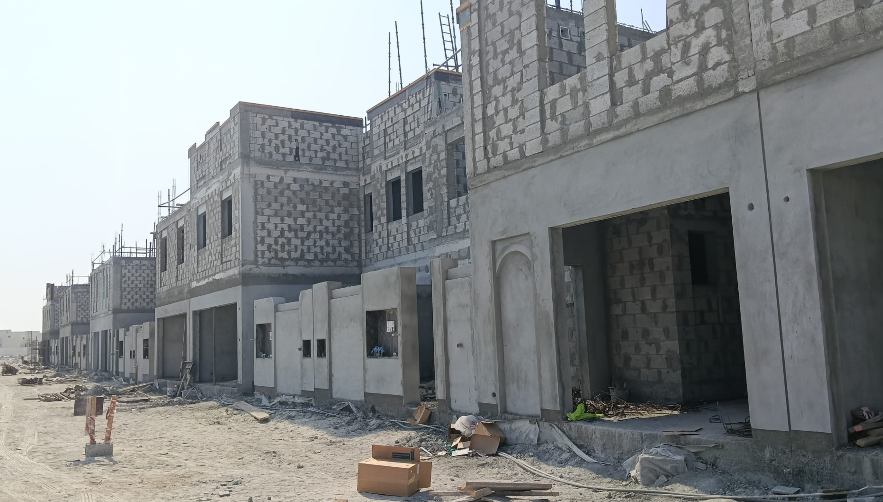
Product Quality Standards at Moonlight Construction
Building Quality That Endures
At Moonlight Construction, quality is not regarded as a final inspection point; it is an integral part of every stage of the construction process. We believe that exceptional construction is achieved through the disciplined integration of superior materials, qualified workmanship, technical precision, rigorous inspection, and continuous quality assurance.
Our approach to product quality is designed to ensure that every material and construction product incorporated into a project is fit for purpose, compliant with specified requirements, technically verified, properly handled, and capable of delivering reliable long-term performance.
For projects in Bahrain, our quality approach is aligned with applicable project specifications, contractual requirements, relevant national and GCC standards, recognized international standards, and approved construction practices. Bahrain's Ministry of Works Standard Specifications for Construction Works are intended to promote consistency across the construction industry and are based on applicable international standards and specifications.
Our Commitment to Quality
At Moonlight Construction, we understand that the quality of a completed structure is directly influenced by the quality of the products and materials incorporated into it. Consequently, we adopt a systematic approach that begins long before a material reaches the construction site.
Our quality process encompasses:
Material Selection → Supplier Evaluation → Technical Approval → Procurement → Delivery Inspection → Storage → Installation → Testing → Final Inspection → Documentation
This structured approach enables us to maintain greater control over quality, minimize defects and rework, and ensure that project outcomes consistently meet the expectations of our clients and consultants.
1. Material Selection and Technical Compliance
Every construction project begins with clearly defined technical requirements. Before materials are procured, Moonlight Construction evaluates them against the approved project specifications, drawings, technical requirements, applicable standards, and manufacturer's recommendations.
Our objective is not simply to select materials that appear visually suitable, but to verify their technical characteristics, performance, durability, compatibility, and suitability for the intended application.
Depending on the material, this may involve reviewing:
- Technical data sheets
- Product specifications
- Certificates of conformity
- Laboratory test reports
- Manufacturer certifications
- Product warranties
- Safety documentation
- Batch and production information
- Relevant national, GCC, or international standards
This approach ensures that material selection is based on verified performance rather than appearance or cost alone.
2. Supplier and Manufacturer Evaluation
Consistent quality begins with reliable sources. Moonlight Construction therefore places strong emphasis on supplier and manufacturer evaluation.
We consider factors such as:
- Technical capability
- Product consistency
- Manufacturing standards
- Certification and compliance
- Quality-control procedures
- Testing capabilities
- Production capacity
- Delivery reliability
- Previous performance
- Warranty and after-sales support
Suppliers are expected to provide appropriate technical documentation and evidence demonstrating that their products comply with the specified requirements.
3. Inspection Upon Delivery
Quality control continues when materials arrive at the project site.
Materials are inspected to verify:
- Correct product and specification
- Quantity
- Dimensions
- Manufacturer
- Model or product reference
- Batch or lot identification
- Physical condition
- Packaging
- Visible defects
- Supporting documentation
Damaged, unidentified, expired, or non-conforming materials should not be incorporated into the works without appropriate technical evaluation and approval.
This process helps prevent unsuitable products from progressing further into the construction process.
4. Proper Storage and Material Preservation
Product quality can deteriorate even when the material was originally manufactured to a high standard. Improper storage, exposure to moisture, excessive heat, contamination, physical impact, or unsuitable handling can compromise performance.
Moonlight Construction therefore recognizes storage and preservation as essential components of quality management.
Materials are to be stored in accordance with their technical requirements and manufacturer's recommendations, with appropriate protection against environmental and physical damage.
Examples include:
- Protecting cement and dry materials from moisture
- Storing steel appropriately to minimize contamination and deterioration
- Protecting tiles and sanitary products from impact
- Maintaining suitable conditions for paints, chemicals, and waterproofing products
- Protecting electrical equipment from moisture and physical damage
- Maintaining identification and batch traceability throughout storage
The objective is simple: the quality achieved at the manufacturing stage must be preserved until the product is incorporated into the project.
5. Quality of Concrete and Structural Materials
Structural materials require particularly rigorous quality control because their performance directly affects the safety and integrity of a building.
For concrete, quality management may include verification of:
- Cement
- Aggregates
- Water
- Admixtures
- Mix design
- Delivery information
- Slump
- Temperature
- Placement procedures
- Compaction
- Curing
- Compressive strength
Reinforcement steel is similarly evaluated for relevant grades, dimensions, certificates, physical condition, and compliance with approved drawings and specifications.
Bahrain's construction specifications establish minimum acceptable criteria for relevant Ministry of Works projects and emphasize appropriate construction practices and verification.
6. Quality of Masonry and Architectural Materials
For masonry, blocks, bricks, tiles, flooring, plaster, paint, doors, windows, aluminium, glass, and other architectural products, Moonlight Construction focuses on both technical performance and finished appearance.
Quality checks may include:
- Dimensional accuracy
- Strength
- Water absorption where applicable
- Surface condition
- Colour and shade consistency
- Alignment
- Level
- Plumbness
- Joint uniformity
- Surface finish
- Adhesion
- Workmanship
The objective is to ensure that architectural finishes are not only aesthetically refined but also durable and suitable for their intended environment.
7. Waterproofing and Moisture Protection
Waterproofing is treated as a critical quality activity because even minor installation deficiencies can result in significant long-term problems.
Moonlight Construction emphasizes proper control of:
- Product specification
- Surface preparation
- Primer application
- Membrane installation
- Joints and overlaps
- Corners and penetrations
- Terminations
- Protective layers
- Compatibility of materials
- Testing and inspection
Where required by the project specification, completed waterproofing systems are subjected to appropriate testing before subsequent work proceeds.
8. Electrical, Plumbing and MEP Products
Quality management extends beyond civil and architectural materials to mechanical, electrical, and plumbing systems.
Products such as cables, conduits, distribution equipment, lighting fixtures, pipes, valves, fittings, pumps, HVAC equipment, and other MEP components are assessed against their approved technical requirements.
Inspection and testing may include:
- Product identification
- Ratings and capacities
- Manufacturer documentation
- Installation compliance
- Pressure testing
- Insulation testing
- Continuity testing
- Functional testing
- Performance verification
This ensures that installed systems are not only correctly positioned but also capable of performing their intended functions safely and reliably.
9. Inspection and Testing
Inspection and testing form a central component of Moonlight Construction's quality philosophy.
We believe that quality should be measured and demonstrated, rather than assumed.
Depending on the project and material, quality verification may involve:
- Visual inspection
- Dimensional checks
- Laboratory testing
- Material testing
- Concrete strength testing
- Water-pressure testing
- Electrical testing
- Functional testing
- Manufacturer certification
- Independent laboratory verification where required
Bahrain's Ministry of Works construction framework specifically addresses the sourcing of approved materials, quality control during material delivery, appropriate storage and protection, acceptable workmanship, and verification of installed works.
10. Inspection and Test Plans
Moonlight Construction can establish Inspection and Test Plans (ITPs) for major construction activities.
An ITP identifies:
- What needs to be inspected
- When inspection is required
- What standards apply
- Who is responsible
- What tests are required
- Required acceptance criteria
- Hold points
- Witness points
- Required documentation
This provides a structured mechanism for ensuring that critical activities are inspected before subsequent work conceals or affects the completed installation.
11. Non-Conformance and Corrective Action
Quality management does not mean that every project will be completely free from defects. Professional quality management means that deviations are identified, documented, investigated, corrected, and prevented from recurring.
Where non-conforming work or materials are identified, the process should involve:
Identification → Documentation → Root-Cause Analysis → Corrective Action → Re-inspection → Closure
This systematic approach allows Moonlight Construction to address immediate defects while also identifying underlying causes and improving future performance.
12. Traceability and Documentation
Quality must be supported by reliable documentation.
Moonlight Construction's quality records should provide traceability from the original product through to its incorporation into the completed works.
Depending on the project, records may include:
- Material approval requests
- Technical submittals
- Delivery inspection records
- Certificates
- Test reports
- Inspection requests
- Method statements
- ITPs
- Non-conformance reports
- Corrective-action records
- Photographic documentation
- Warranties
- Testing and commissioning records
- As-built documentation
This creates a transparent quality trail and provides clients with confidence that construction activities have been properly controlled.
13. Quality Is Everyone's Responsibility
At Moonlight Construction, quality is not the sole responsibility of the Quality Control team.
Procurement teams are responsible for sourcing compliant products.
Engineers are responsible for technical verification.
Site supervisors are responsible for proper execution.
Workers and subcontractors are responsible for following approved procedures and workmanship requirements.
Quality personnel are responsible for inspection, verification, documentation, and corrective-action processes.
Management is responsible for establishing a culture in which quality is treated as a fundamental business objective.
This collective responsibility creates a stronger and more sustainable quality culture.
14. Continuous Improvement
Construction quality should continuously evolve with improvements in technology, materials, engineering practices, regulatory requirements, and client expectations.
Moonlight Construction therefore promotes continual improvement through:
- Review of project performance
- Analysis of recurring defects
- Supplier performance evaluation
- Lessons learned
- Corrective and preventive actions
- Workforce training
- Improved inspection procedures
- Updated technical knowledge
- Adoption of improved construction technologies
The objective is not merely to complete one project successfully, but to use every project as an opportunity to strengthen future performance.
Our Quality Promise
At Moonlight Construction, we recognize that quality is ultimately measured by the performance of the completed project.
Our commitment is therefore founded on five fundamental principles:
Compliance — meeting applicable specifications, standards, regulations, and contractual requirements.
Consistency — maintaining dependable quality across materials, workmanship, and project stages.
Durability — selecting and installing products capable of delivering reliable long-term performance.
Accountability — maintaining transparent inspection, testing, documentation, and corrective-action processes.
Continuous Improvement — continually refining our processes to achieve higher standards of construction excellence.
Conclusion
Moonlight Construction's approach to product quality is founded on a simple but fundamental principle: quality must be built into the project, not inspected into it at the end.
From the initial selection of materials to supplier evaluation, technical approval, delivery inspection, storage, installation, testing, documentation, and final handover, every stage contributes to the overall quality and performance of a project.
By combining technical discipline, quality-controlled materials, skilled workmanship, systematic inspection, rigorous testing, and continual improvement, Moonlight Construction strives to deliver buildings and infrastructure that demonstrate lasting strength, reliability, safety, functionality, and value.
Our commitment is not merely to meet today's requirements, but to build with the foresight and precision necessary to ensure that our work continues to perform long after completion.
Moonlight Construction — Building Quality. Delivering Confidence. Creating Lasting Value.